LAS VEGAS, Nevada — As the Las Vegas Raiders enter a critical roster-building stretch, difficult decisions are beginning to surface.
This time, the spotlight turns to a major defensive contributor who arrived in Las Vegas with significant expectations.
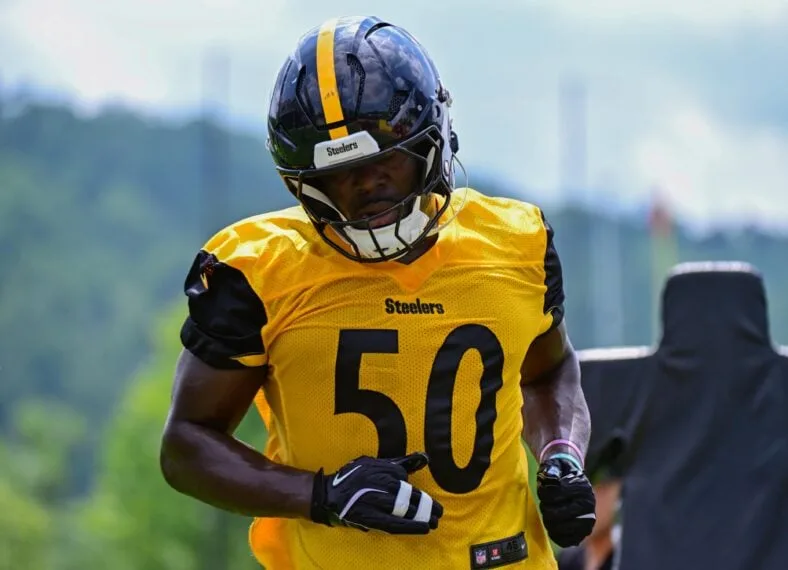
Sources close to the situation indicate that head coach Klint Kubiak is seriously evaluating whether the Raiders should reconsider the future of defensive end Kwity Paye.
The issue reportedly goes beyond pure talent.
While Paye remains one of the most physically gifted defenders on the roster, questions about consistency, attitude, and long-term defensive fit have created internal discussions.
Las Vegas is not treating the situation as a simple performance conversation.
It is about identity.
Cap flexibility.
Defensive direction.
And whether every major defensive piece still matches what Kubiak wants the Raiders to become.
Paye arrived in Las Vegas with the reputation of being a powerful edge defender capable of setting the edge, collapsing pockets, and creating pressure against opposing quarterbacks.
He was expected to bring strength, athleticism, and proven NFL experience to a defense searching for more consistency up front.
The Raiders believed his skill set could complement Maxx Crosby and help create one of the more disruptive defensive fronts in the AFC.
At the time, the move was viewed as an aggressive attempt to strengthen a defense that wanted more pressure without relying entirely on Crosby.
But now, the Raiders are studying every expensive contract with a colder eye.
The franchise understands that flexibility can open doors before final roster decisions, trade discussions, and future defensive moves.
Moving on from a player like Paye would not be a simple emotional decision.
It would come with risk.
It would reduce proven pass-rushing depth.
And it would place more pressure on Crosby, younger edge defenders, and the rest of the defensive front to absorb meaningful snaps.
Still, Kubiak has made it clear that salary and reputation will not be enough to guarantee any player’s role.
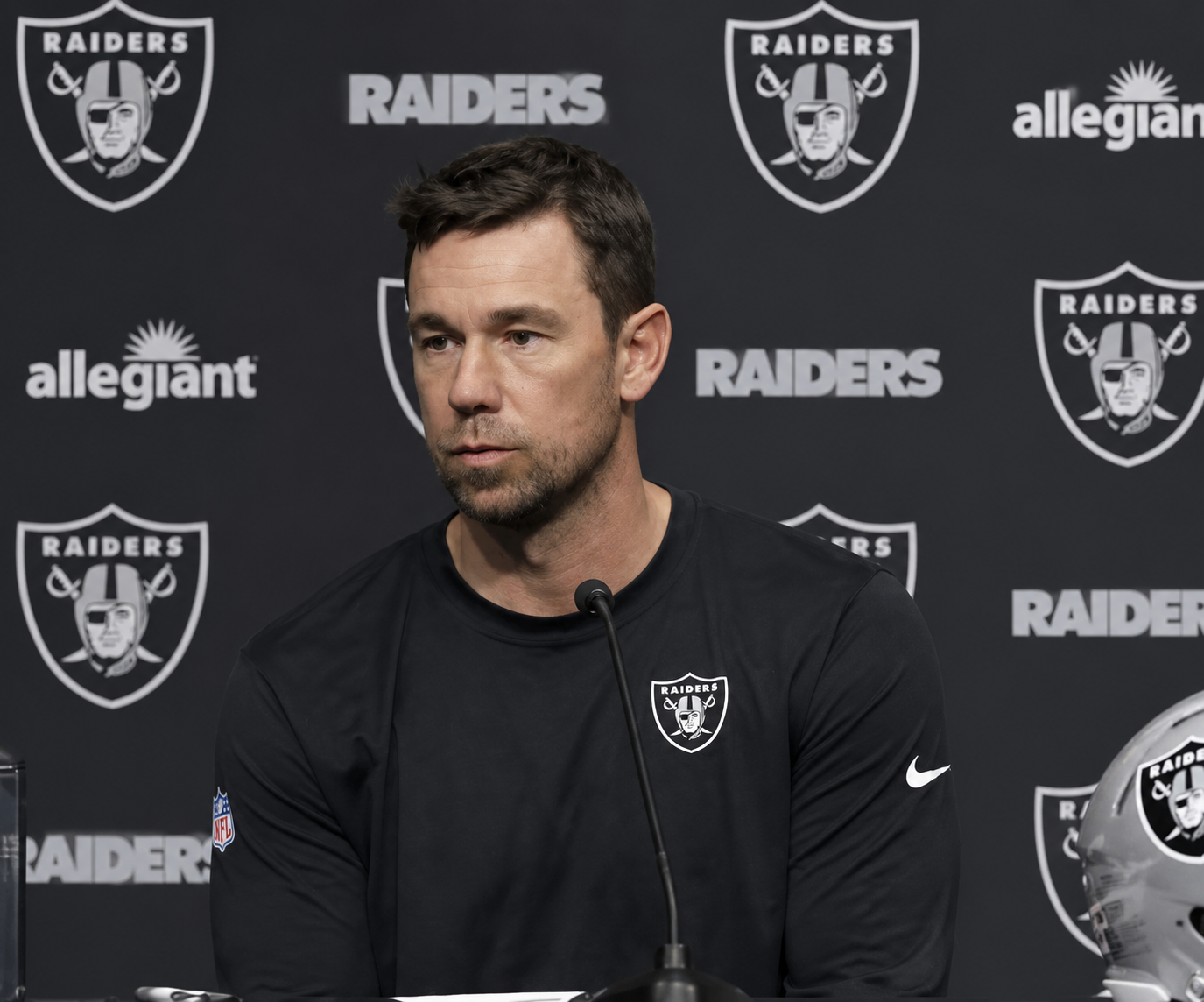
Speaking carefully but firmly, Kubiak addressed the broader standard without directly confirming any roster decision.
“We respect every player who comes into this building and earns an opportunity. But the standard here is bigger than talent alone. It is about consistency, accountability, preparation, and whether every piece fits the direction we are building. If something does not match that, we have to protect the team first.”
Paye remains valuable because of his power, athleticism, run-defense ability, and capacity to create pressure from the edge.
His physical profile makes him useful in a modern defense built around versatility and attacking different protection schemes.
He can set the edge, challenge offensive tackles, collapse running lanes, and create opportunities for teammates when offenses shift protection toward Crosby.
But the Raiders are trying to build more than individual flashes.
Kubiak wants a defense built on discipline, toughness, communication, and dependable execution.
That means every defensive player must fit not only the scheme, but also the larger identity of Raiders football.
If Las Vegas ultimately decides to move on, the decision would send a clear message across the locker room.
It would show that the Raiders are willing to challenge even expensive additions if they believe the roster needs a sharper direction.
The move would not simply be about creating flexibility around a $48 million investment.
It would be about setting a tone.
Contracts do not guarantee security.
Past production does not erase evaluation.
And in Las Vegas, the new standard under Klint Kubiak appears to be enforced at every level of the roster.