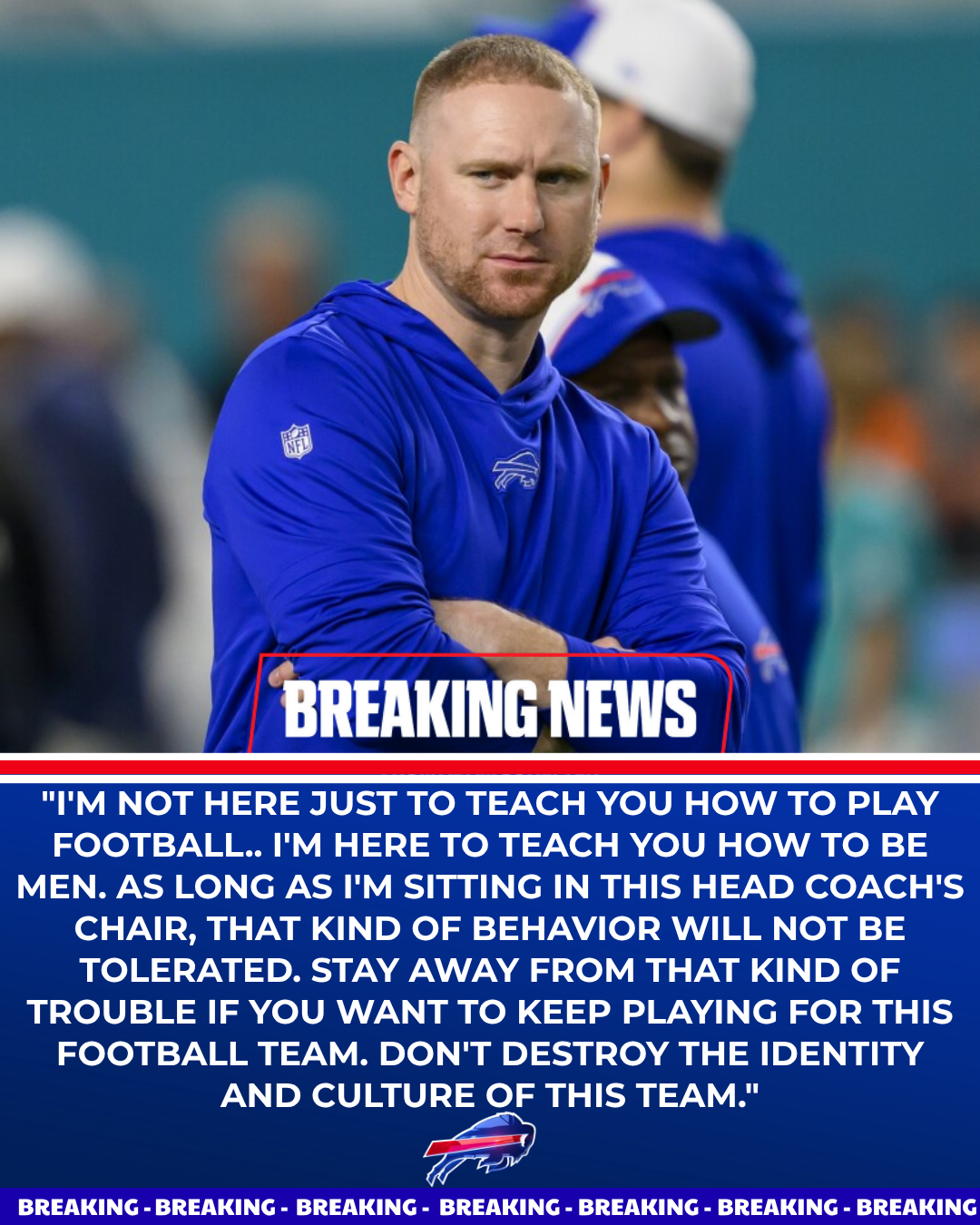
ORCHARD PARK, N.Y. — A growing controversy surrounding the Buffalo Bills has now drawn a response from the highest level of professional football leadership.
The debate began after the organization removed the name of the franchise's first legendary superstar from the Family Circle recognition area at New Highmark Stadium.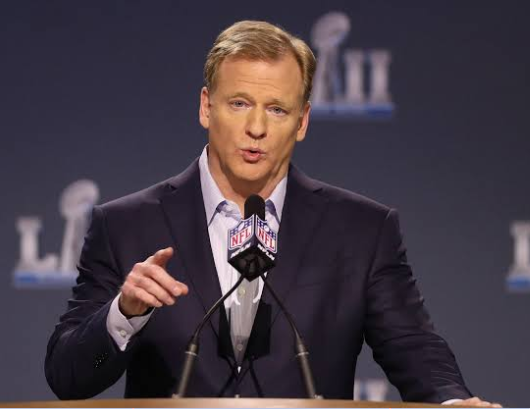
The decision immediately sparked intense reactions among former players, fans, and NFL observers across the country.
Now NFL Commissioner Roger Goodell has publicly weighed in, warning that the situation extends beyond one player or one franchise.
According to Goodell, removing one of the most influential figures in Bills history risks damaging the league's long standing culture of honoring those who built the game.
The commissioner reportedly expressed concern that historical contributions should not be erased, particularly when discussing athletes who transformed struggling organizations into nationally recognized teams.
Goodell delivered a direct message to the Bills during his remarks.
“If he had never been there, where would you be today? Don't erase the history that created what you are today. That is not how you treat one of your team's heroes.”
He continued by emphasizing the broader impact such decisions can have throughout professional football.
“This affects the culture of recognition and gratitude throughout the NFL. Think carefully about what that means for future generations.”
The comments immediately reignited discussion surrounding the legacy of O.J. Simpson and his place in Buffalo football history.
While Simpson's life became controversial away from football, many historians continue to separate his on field accomplishments from events that occurred after his playing career.
Known throughout the football world as The Juice, O.J. Simpson remains arguably the most important player in Buffalo Bills history from a purely football perspective.
When Buffalo selected Simpson with the first overall pick in the 1969 NFL Draft, the franchise was struggling to establish itself during the AFL NFL merger era.
At the time, the Bills were far from a national attraction and lacked the star power necessary to compete with the league's biggest brands.
Everything changed once Simpson emerged as one of football's most dominant offensive players.
His 1973 season remains one of the greatest individual achievements in NFL history.
That year Simpson rushed for 2,003 yards in only 14 games, becoming the first player ever to surpass the 2,000 yard mark in a single season.
The accomplishment remains extraordinary even today because modern players benefit from significantly longer schedules.
From 1972 through 1976, Simpson dominated professional football by leading the NFL in rushing yards four times while earning five consecutive All Pro selections and five straight Pro Bowl appearances.
Although Buffalo never reached a Super Bowl during that era, Simpson helped transform the Bills from an overlooked franchise into one of the most discussed teams in the league.
His impact remains visible throughout the franchise record book, where he still owns or remains near the top of numerous rushing and touchdown categories.
Simpson's historical significance was previously recognized when he became the first player inducted into the Bills Wall of Fame in 1980.
Five years later, he was enshrined in the Pro Football Hall of Fame, cementing his status as one of the greatest running backs the sport has ever produced.
As debate continues surrounding the organization's recent decision, Goodell's message was unmistakable: history can be complicated, but the foundations of a franchise should never be forgotten.