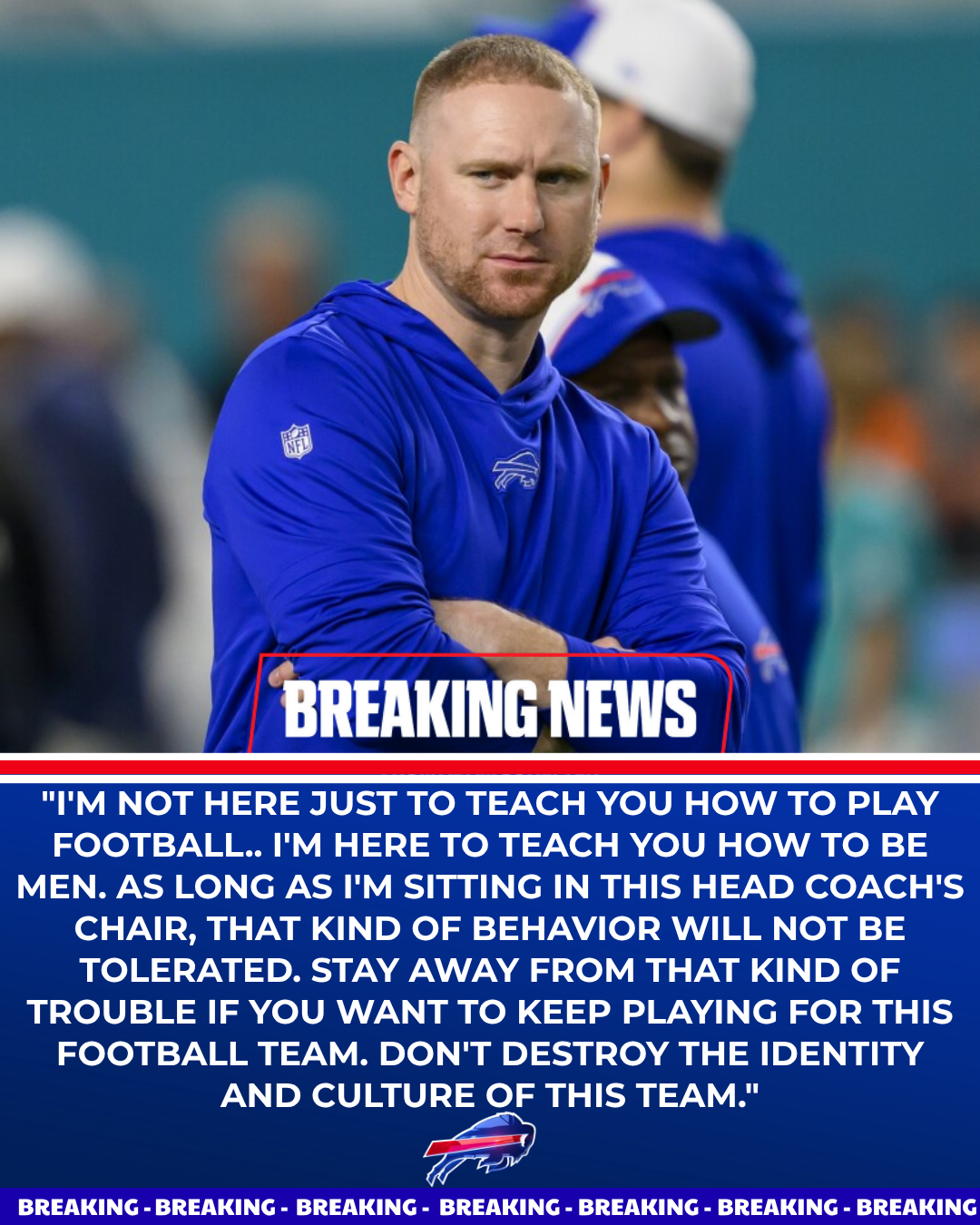
ORCHARD PARK, N.Y. — The Buffalo Bills have found themselves at the center of one of the most divisive controversies in franchise history after removing legendary running back O.J. Simpson from the Family Circle display at New Highmark Stadium.
The decision immediately sparked outrage across the NFL community, with fans, former players, and media personalities debating whether the organization had crossed a line by distancing itself from one of the most important figures in franchise history.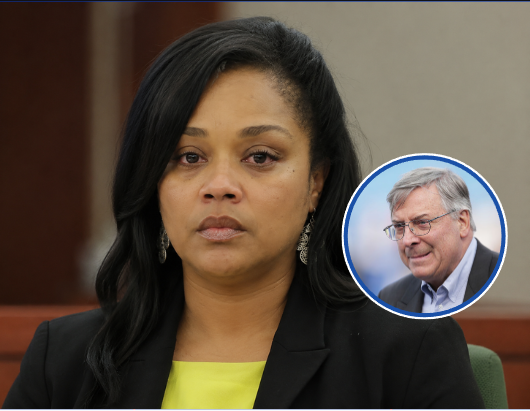
For many Bills supporters, Simpson remains a complicated figure. His football accomplishments helped shape the early identity of the franchise, while the events that followed his playing career continue to generate intense debate decades later.
The controversy intensified after Simpson's daughter, Arnelle Simpson, publicly defended her father's legacy and criticized the organization for what she described as a disrespectful decision.
Her comments quickly spread across social media, drawing support from some former players and fans who argued that a person's football achievements should not be erased from team history.
Facing growing criticism, Bills owner Terry Pegula issued a statement aimed at easing tensions and explaining the organization's position.
"The identity of this organization does not allow us to celebrate those serious crimes, but we also cannot deny what he contributed to this football team," Pegula said.
He continued by announcing a compromise that would keep Simpson represented inside the stadium.
"His portrait will remain displayed in the Family Circle at the New Highmark Stadium, accompanied by a description explaining both the achievements and the actions that shaped how fans remember him, including the crimes that became part of his legacy."
The statement was viewed by some observers as an attempt to acknowledge both sides of a deeply emotional issue.
However, Arnelle Simpson reacted immediately and forcefully.
According to her, the proposal was not a gesture of respect but a public humiliation of her late father.
"So this is what you call honoring him?" Arnelle said.
"My father is still in the Pro Football Hall of Fame. He is still in his college Hall of Fame. He was honored in your old stadium as well."
She then questioned why the organization chose to revisit the issue after his death.
"Why do this now, after he has passed away?" she asked.
Her criticism became even sharper as she addressed the reaction she received after speaking publicly.
"And then when I speak up, you act as if he personally did those things to you."
Those remarks reignited the controversy and further divided opinion throughout the NFL world.
Supporters of Arnelle argued that the Bills were unfairly targeting a deceased franchise icon whose football accomplishments remain undeniable.
Others defended the organization, saying modern sports franchises have a responsibility to consider the broader impact of whom they choose to honor.
As the debate continues, the Bills now find themselves navigating one of the most sensitive legacy questions any professional sports organization can face.
Whether Pegula's compromise ultimately calms the situation or deepens the divide remains uncertain, but one thing is clear: the discussion surrounding O.J. Simpson's place in Buffalo football history is far from over.