BUFFALO, N.Y. — A growing controversy surrounding the legacy of O.J. Simpson has created one of the most emotional debates Buffalo Bills fans have faced in recent years.
The situation escalated after comments made Tuesday morning by Bills Chief Operating Officer Pete Guelli regarding the organization’s decision to remove Simpson’s name from the team’s Family Circle recognition area connected to the new stadium project.
During his remarks, Guelli explained the organization’s position.
“We have made the organizational decision that he is not a good fit for the new stadium and Family Circle,” Guelli said.
He further argued that honoring Simpson without providing broader context would fail to acknowledge the actions that significantly shaped how many people remember the former football star.
According to Guelli, Simpson’s football achievements cannot be completely separated from the serious controversies that followed his playing career.
Those controversies included convictions for armed robbery, kidnapping, and assault with a deadly weapon, offenses that resulted in a nine year prison sentence.
His record also includes a civil judgment that found him liable for the wrongful deaths of former wife Nicole Brown Simpson and Ronald Goldman following the events of 1994.
While many observers acknowledged the complexity of Simpson’s legacy, Guelli’s comments immediately triggered strong reactions throughout Bills Nation.
Critics argued that the organization appeared to be dismissing the football accomplishments of a player who helped establish the franchise’s early national identity.
Many fans pointed out that O.J. Simpson remains the first Buffalo Bills player ever inducted into the Pro Football Hall of Fame.
For generations of supporters, Simpson represented one of the earliest superstars in franchise history and played a major role in bringing national attention to Buffalo football.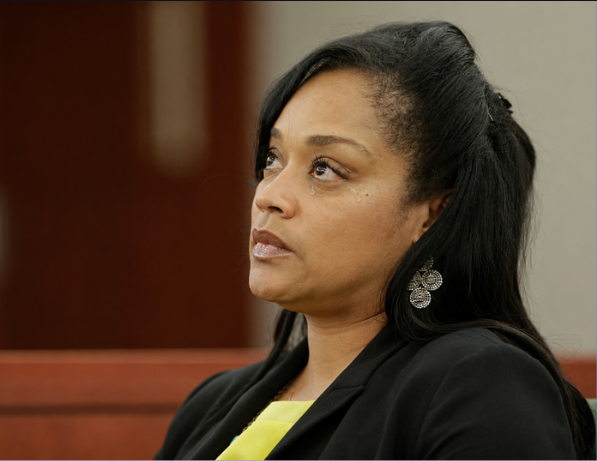
At the center of the backlash was Arnelle L. Simpson, O.J. Simpson’s eldest daughter.
Throughout the final years of her father’s life, Arnelle remained one of his closest family members and primary caregivers.
She stood beside him during his health struggles, including his battle with prostate cancer.
O.J. Simpson passed away on April 10, 2024, at the age of 76.
Following Guelli’s remarks, Arnelle reportedly demanded a public apology and called for the comments to be withdrawn.
She warned that legal action against the organization would be pursued if no corrective response was made.
In a statement that quickly spread across social media, she said:
“Just look at how you're treating a deceased legend. Even if he made mistakes in his life, he always gave the best of himself to this team and devoted more than half of his life to this organization. He deserves better than being publicly insulted by the very successors of the empire he helped build.”
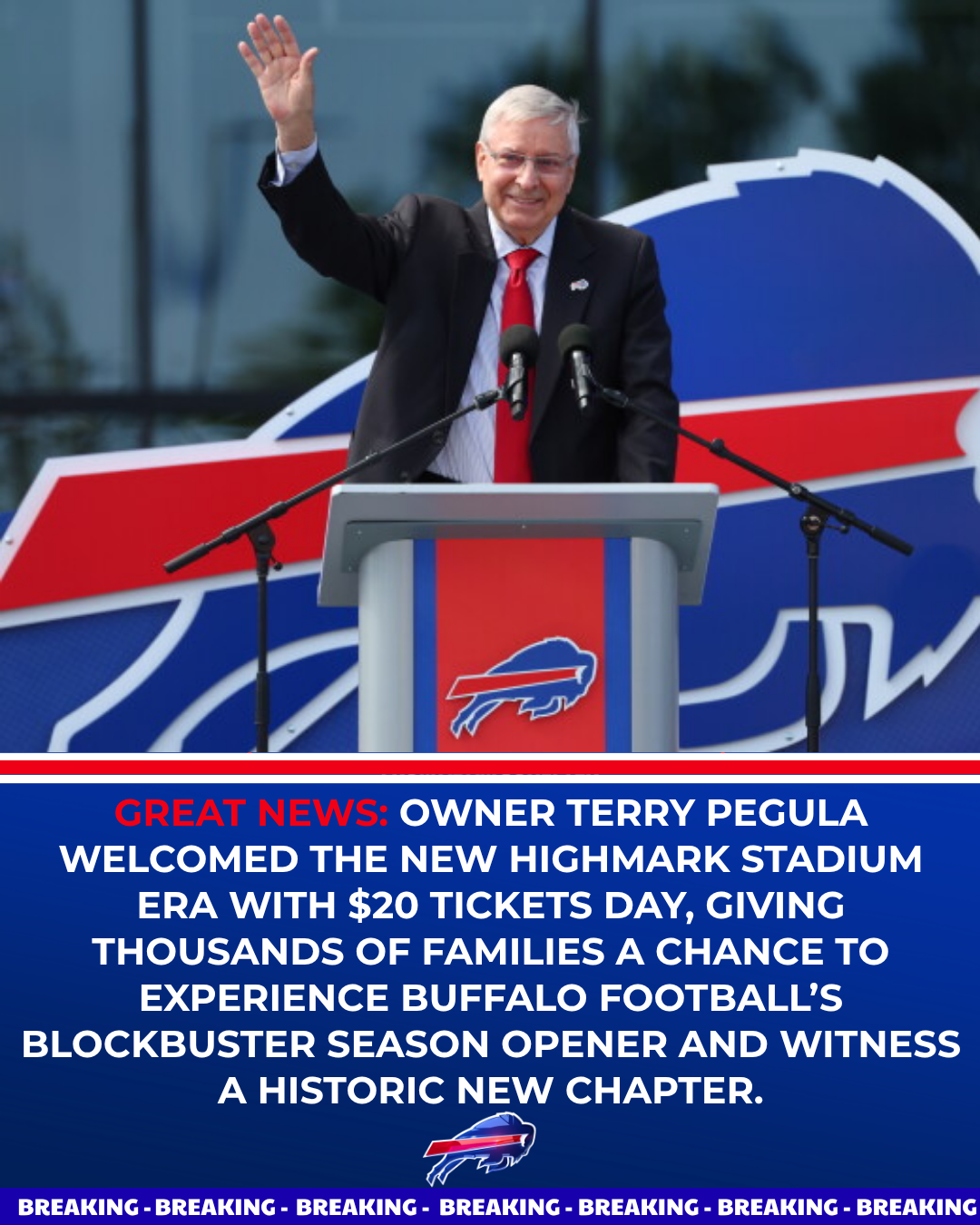
As tensions continued to rise, Bills owner Terry Pegula stepped forward with a message that many fans viewed as an attempt to balance accountability with historical recognition.
Pegula acknowledged the pain felt by Simpson’s family while defending the organization’s responsibility to present a complete picture of history.
“The first thing I need to do is apologize to him and his family,” Pegula said. “The identity of this organization does not allow us to celebrate those serious mistakes, but we also cannot deny what he contributed to this football team.”
“There are fans who became Bills supporters because of him. His portrait will remain displayed in one of the most prominent places in the Hall of Fame area, accompanied by context that does not glorify his mistakes.”
“Fans need to understand the price of serious errors, no matter how successful you may have been before making them.”
Pegula’s comments were widely praised for attempting to recognize both the accomplishments and the consequences that define one of the most complicated legacies in professional football history.
Whether the dispute ultimately leads to legal action remains uncertain, but the debate has once again highlighted the difficult challenge of balancing historical achievement, personal accountability, and the memory of a figure who remains deeply connected to the story of the Buffalo Bills.